Looking at successful brands, the product is rarely the most interesting part. The real story is the system that drives their growth. Some companies sell items. Others build a marketing engine that keeps acquiring and retaining customers at scale.
That is exactly what I noticed when analyzing Fabletics.
At first glance, it looks like another activewear brand competing in a crowded market of leggings and workout gear. But when I dug deeper, it became clear that the real product was not just apparel. It was a membership-driven growth machine.
Fabletics built a framework where a single attractive offer pulls people into a structured funnel that leads to subscriptions, personalization, and recurring revenue. Over time, this system helped the company grow into an $850 million business and eventually cross the $1 billion milestone in 2025.
In this case study, I break down the marketing engine that powered this growth. I will walk through the psychology behind their irresistible offer, how the quiz-based funnel increases conversions, and how early adoption of TikTok helped them scale quickly. I will also explore the new challenge they are facing as social commerce and in-app checkout start changing how consumers buy online.
The Psychology of the “Irresistible Offer”
The foundation of the Fabletics growth engine is the famous “2 for $24” leggings offer.
On the surface, it looks like a simple promotional discount. Many people assume it is just a loss leader designed to drive sales. But when I looked at the structure more closely, it became clear that the real goal is customer acquisition at scale.
The offer solves one of the biggest problems in e-commerce: Lifetime Value (LTV).
When customers accept the deal, they are not simply purchasing leggings. They are joining the VIP membership program. This membership structure changes the entire economics of the business.
Instead of relying on one-time purchases, the brand creates recurring engagement and predictable revenue. Even if a member skips a month, the relationship with the brand continues. That recurring interaction keeps the brand visible and increases the chances of future purchases.
From a marketing perspective, the leggings are just the entry point. The real asset is the membership.
The Personalization Hook: The Quiz Funnel
Another smart decision I noticed is that Fabletics rarely sends traffic directly to a normal product page.
Instead, most paid traffic lands on a personalized lifestyle quiz.
This quiz plays two powerful roles in the conversion process.
First, it creates a micro-commitment.
When someone spends around 60 to 90 seconds answering questions about workout habits, style preferences, and color choices, they become mentally invested in the process. The user is no longer just browsing. They are participating.
Second, the quiz generates valuable customer data.
Once the questions are completed, the platform presents products that match the user’s style profile. The “2 for $24” offer suddenly feels customized instead of generic.
That personalization reduces hesitation and increases conversion rates because the shopper feels like the brand understands their preferences.
From a funnel design perspective, this is a smart way to transform cold traffic into engaged shoppers.
Early Platform Advantage on TikTok
One of the biggest growth accelerators for Fabletics came from their early adoption of TikTok as a marketing channel.
Before many traditional brands recognized the platform’s potential, Fabletics began investing heavily in content and creator partnerships.
Their approach combined three different content formats.
Lifestyle Content
Short videos that felt authentic and relatable. These often included workout routines, morning routines, or “get ready with me” content that blended naturally into the platform’s culture.
Direct Response Content
Some videos focused entirely on the offer. High-energy creatives emphasized the 2 for $24 price point and encouraged viewers to try the deal.
Creator Partnerships
The brand also benefited from the visibility of Kate Hudson, who co-founded the company. Her association helped build credibility while micro-creators demonstrated the products in everyday situations.
Because advertising costs on TikTok were extremely low in the early years, this strategy allowed the company to acquire customers efficiently and at scale.
In many ways, TikTok became the modern equivalent of QVC-style product discovery, but designed for short-form video and social sharing.
The Evolution Challenge: A New Commerce Model
By 2025 and 2026, Fabletics had already achieved massive scale and expanded into new product categories such as denim and men’s apparel. This expansion increased the amount each customer spends with the brand.
However, the digital commerce landscape has started to change again.
A new competitor is not another apparel company. It is a shopping infrastructure.
That competitor is TikTok Shop.
Instead of sending users to external websites, TikTok Shop allows people to discover, review, and purchase products without leaving the app.
This shift introduces a major strategic conflict.
Friction vs Ownership
The difference between these two models comes down to a tradeoff.
The Fabletics Model
Users leave TikTok and enter a structured funnel that includes a quiz, personalized product recommendations, and membership sign-up.
The advantage is clear.
The brand owns the data, the relationship, and the subscription revenue.
The downside is friction.
Every additional step reduces conversion.
The TikTok Shop Model
Users can buy directly inside the app with one tap.
This dramatically reduces friction and increases impulse purchases.
However, brands sacrifice customer data and long-term relationship control because the platform owns much of the experience.
This creates the billion-dollar question for Fabletics.
Can a membership-driven funnel survive in an environment where consumers increasingly expect instant, in-app purchases?
The Physical Retail Strategy
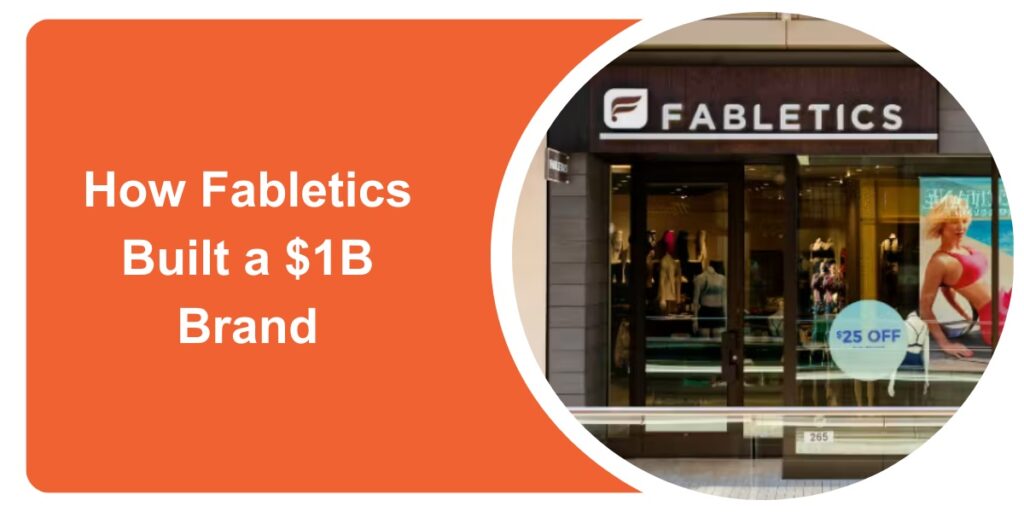
One interesting response from Fabletics has been an increased focus on physical retail stores.
Instead of treating stores purely as sales channels, the brand uses them as membership growth hubs.
Shoppers can visit a store, experience the products in person, and then sign up for the VIP program with assistance from staff. This creates a hybrid approach that combines digital acquisition with physical brand experiences.
The goal is to strengthen the sense of community and loyalty around the membership ecosystem.
If executed well, this strategy could help protect the brand from the rapid rise of impulse-driven social commerce.
The Fabletics Growth Framework
| Strategy | Tactical Execution | Business Impact |
|---|---|---|
| The Hook | 2 for $24 leggings offer | High customer acquisition velocity |
| The Retainer | VIP membership subscription | Predictable recurring revenue |
| The Funnel | Personalized style quiz | Higher conversion rates |
| The Growth Lever | Category expansion such as men’s apparel and denim | Increased share of wallet |
Conclusion
After analyzing the full system, my biggest takeaway is that Fabletics succeeded because it built a growth engine, not just a clothing brand.
The leggings are only the starting point. The real power comes from the structure behind the offer. The quiz drives engagement, the membership creates recurring revenue, and the marketing channels continuously feed the funnel.
For more than a decade, this model worked extremely well. It helped the brand grow quickly while maintaining strong control over customer relationships.
However, the next phase of e-commerce is being shaped by frictionless social shopping. Platforms increasingly want consumers to discover and purchase products without leaving the app.
That creates a strategic tension between speed and ownership.
Personally, I think the future success of Fabletics will depend on how well it balances these two forces. If the company can maintain the strength of its membership ecosystem while adapting to new shopping behaviors, the membership machine may continue to dominate.
If not, the brands that master frictionless social commerce could start catching up faster than expected.
Either way, the Fabletics playbook remains one of the most fascinating marketing systems in modern e-commerce, and there is a lot marketers can learn from how deliberately each stage of the funnel was designed.

I’m a certified digital marketing expert with over 9 years of experience helping businesses grow through SEO, PPC, and content marketing. I focus on creating data-driven strategies that deliver measurable results and long-term growth.