
Many manufacturing companies still overlook SEO or treat it as something that only matters to tech or eCommerce brands. When they start researching keywords, they often see low monthly search volumes and quickly assume that SEO won’t generate meaningful results.
But that assumption is wrong. Manufacturing SEO isn’t about getting tens of thousands of visitors a month. It’s about attracting the right people, procurement teams, distributors, and businesses looking for specific products or capabilities.
Even with limited traffic, you can generate consistent leads and sales if your website targets the right search intent and communicates your value clearly.
Why Clear Communication Beats High Search Volume
In manufacturing, clarity matters more than creativity. The biggest problem I notice across manufacturing websites is that they fail to explain what they actually produce.
Their content may include technical jargon or industry buzzwords, but it often lacks visual or contextual cues that help buyers instantly understand what’s being offered.
For example, imagine a company that sells baking equipment. Many of them show stock photos of cakes or chefs at work, which confuses potential buyers into thinking they’re a bakery. Instead, their visuals should focus on the equipment itself, mixers, trays, or ovens accompanied by copy that makes it clear they supply tools to bakeries, not baked goods.
The same applies to custom notebook manufacturers. If you create branded notebooks for schools or companies, show mockups that say “Place Your Logo Here” instead of showcasing notebooks already branded for other clients. Otherwise, visitors may think you sell retail notebooks rather than customizable ones.
This type of confusion kills conversion rates. When your visuals and content don’t align with what you actually sell, even qualified visitors leave because they can’t understand what you provide.
The Case Study: 40 Clicks, 6 B2B Leads, 300 Notebooks Sold
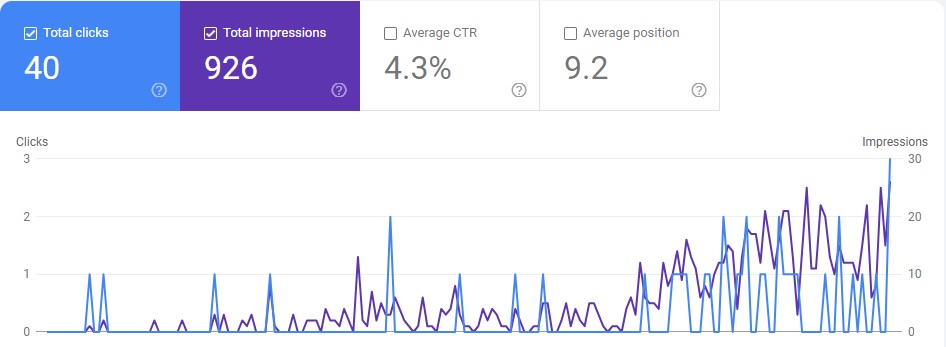
Recently, I optimized the website of a notebook manufacturing company that wanted to increase B2B sales. They were skeptical about SEO because most keywords they found had search volumes below 50.
Here’s what we changed:
- Built a strong homepage structure that clearly defined what they produce and who they serve.
- Added keyword-rich but natural headings such as “Notebook Manufacturers in the USA” to signal relevance to both search engines and users.
- Specified the target audience by mentioning schools, colleges, and corporate clients.
- Added a FAQ section with structured data (schema markup) to answer purchasing questions like minimum order quantity, customization options, and delivery time.
- Implemented Local Business schema with the company’s NAP (Name, Address, Phone) and service area to strengthen local visibility.
- Showcased testimonials, trust badges, and client names to build credibility and reduce hesitation.
Within weeks, the site started appearing for niche queries like “custom notebook manufacturer” and “bulk notebook printing.”
The outcome:
- 40 organic clicks
- 6 qualified B2B leads
- 300 units sold
That’s a 15% conversion rate from organic clicks, achieved by focusing on intent and clarity instead of chasing volume.
What This Proves About SEO for Manufacturers
This case study shows that manufacturing SEO operates on a completely different logic than traditional consumer marketing. You’re not selling to everyone, you’re selling to decision-makers who already know what they need.
In this space:
- Intent beats volume. Ten visitors searching for “custom metal parts supplier in Chicago” are more valuable than a thousand searching for “types of metal parts.”
- Content structure matters. A homepage that clearly defines your products, audience, and production capabilities often outperforms a dozen blog posts that chase unrelated keywords.
- Schema and metadata play a huge role. Search engines rely heavily on structured data to understand what you produce and where you serve, which is vital for local and B2B discovery.
When your website clearly communicates your product offering, includes buying cues, and answers common questions, every visitor counts.
How to Build a High-Converting Manufacturing Website
If you are a manufacturing company looking to improve lead generation through SEO, start by focusing on clarity, intent, and technical accuracy. Here are the essential steps:
Homepage optimization
Your homepage is your sales representative. Clearly describe what you manufacture, who you serve, and your production capabilities. Add social proof and CTAs like “Request a Quote” or “Send Product Specifications.”
Visual storytelling
Use real product photos, factory images, or mockups that communicate customization. Avoid stock images that create confusion.
Category and service pages
Create dedicated pages for each major product category with clear headings, applications, and material specifications. This helps capture long-tail B2B queries.
FAQ and support content
Manufacturers often receive the same questions repeatedly. Use your team’s internal communication and sales inquiries to build an FAQ section. Add FAQ schema so your answers can appear in Google’s rich results.
Local and product schema
Structured data allows search engines to better understand your business details, service areas, and products. This is crucial if you target specific regions or industrial sectors.
Technical SEO
Manufacturing websites often rely on older CMS platforms. Make sure your site loads quickly, uses HTTPS, has clean URLs, and no broken links or duplicate content.
Authority signals
Add client logos, certifications, and case studies. In industrial B2B, credibility is just as important as visibility.
Why SEO Is a Long-Term Asset for Manufacturers
Many manufacturers spend heavily on trade shows or paid directories, which bring temporary visibility but no long-term gain. SEO, on the other hand, builds an owned digital asset. Once your website ranks for relevant intent-based queries, it keeps generating leads without ongoing ad spend.
Even ranking for just 10 or 20 highly specific keywords can produce a steady stream of qualified leads each month. That’s because B2B buyers use Google to validate suppliers before contacting them. A well-optimized site gives them confidence that your business is legitimate and professional.
Final Thoughts
Manufacturing SEO isn’t about traffic size; it’s about clarity, credibility, and precision.
This notebook manufacturer didn’t need massive traffic numbers. Forty well-targeted visitors turned into six real business leads because the website explained its offering clearly, spoke directly to its buyers, and helped search engines understand its relevance.
If your manufacturing website isn’t converting, the issue likely isn’t traffic. It’s how effectively you communicate what you actually do and who you serve.

I’m a certified digital marketing expert with over 9 years of experience helping businesses grow through SEO, PPC, and content marketing. I focus on creating data-driven strategies that deliver measurable results and long-term growth.